
A Comprehensive Guide to Your First Powerlifting Meet
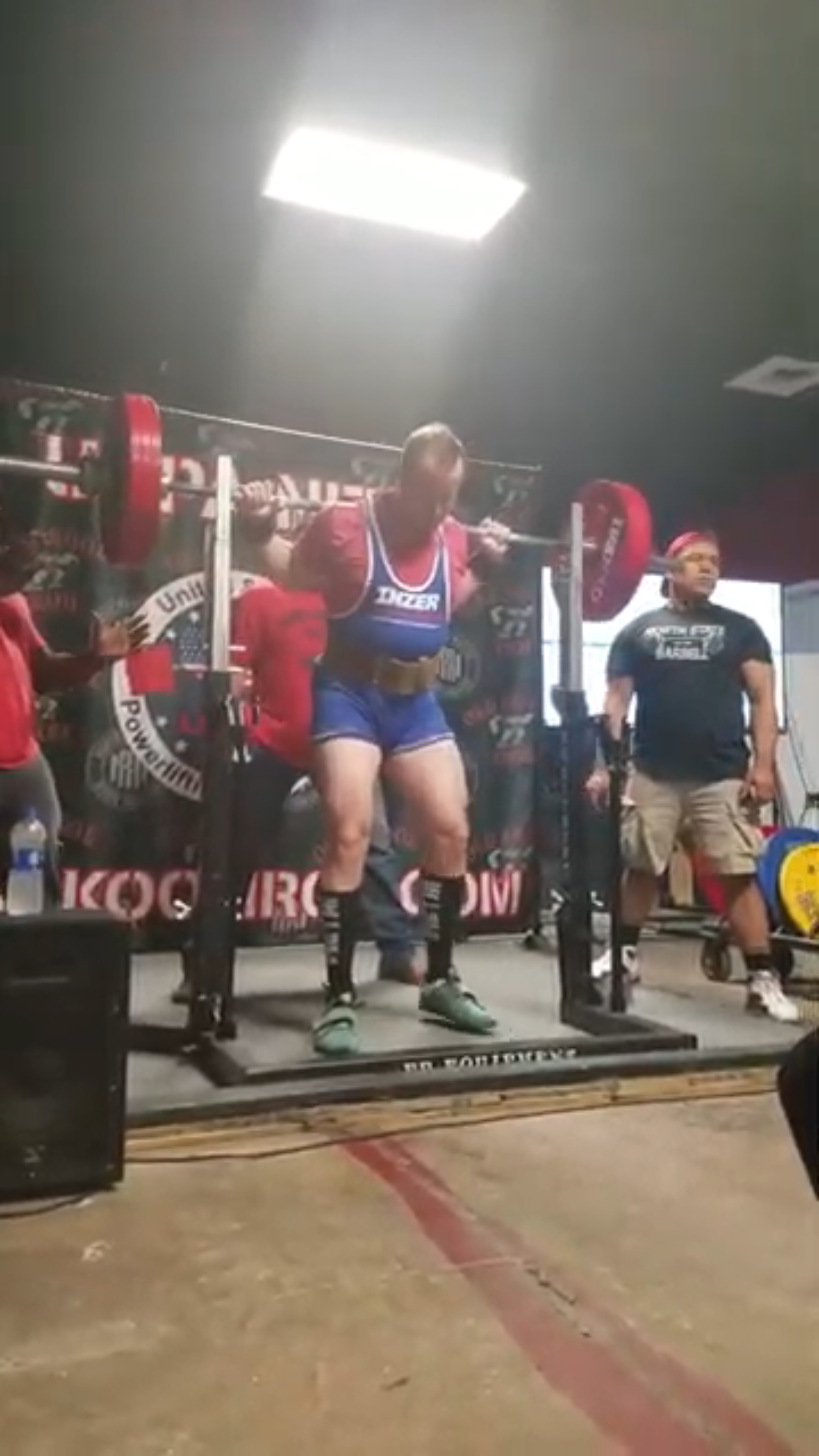
Make sure to practice with commands. They’re necessary to a successful lift and also let you know that your spotters are in position.
Introduction
Powerlifting may seem like an intimidating sport that requires years of mastery before entering your first meet. However, that's because we only hear about the elite lifters setting world records.
The reality is that everyone was a beginner at some point. In addition, the vast majority of participants focus on improving their own performance. This is actually one of the core lessons of powerlifting: stay within yourself and respect your own journey.
You should base your decision to compete on personal factors, not the status of other lifters or arbitrary numbers. Would your training improve by having a meet on the calendar? Would competing affirm your identity as an athlete? Is it important to feel that you're part of a community with a shared interest?
Assuming you answer yes to those questions, I've assembled the following guide.
If you want to learn more about powerlifting, click here to access my article for beginners. You can also check out my article how powerlifting compares to other strength sports by reading my guide at this link.
Advice for Beginner Powerlifting Meets
Logistics
Find the nearest meet instead of choosing a specific federation
While each powerlifting federation has nuances, focus on finding a meet that suits your schedule and location.
You may already have anxiety and self-doubt entering your first step. Don't worsen it with a 3-hour drive that requires a two-day commitment. Afterward, you can decide whether to join one of the larger organizations like the USPA or USAPL.
Unless you have experience with equipped lifting, enter as a raw lifter.
You'll compete with no or minimal equipment, such as a lifting belt, knee sleeves, and wraps. By contrast, equipped lifting features specialized gear such as knee wraps and bench shirts. While fun, equipped lifting adds cost and complexity for beginners.
Read up on the rules.
Familiarize yourself with the regulations of the federation you're entering. They should have a rulebook that includes lift commands, depth requirements, and approved equipment.
Pay attention to the fine print. For example, a federation may allow wrist wraps but not the use of the thumb hook.
Understand the weigh-in procedures.
First off, avoid weight class adjustments for your first few meets. YFocus on gaining experience that can inform your later decision about body composition. In addition, you're much more likely to bomb out due to a weight cut than improve your performance. Likewise, trying to add weight aggressively will result in primarily fat gain.
With that out of the day, mark the date for the weigh-ins. These may be a day or two before the meet. You can contact the meet director if you can't make that time. A second option is typically available, but you may need to request it in advance.
Training
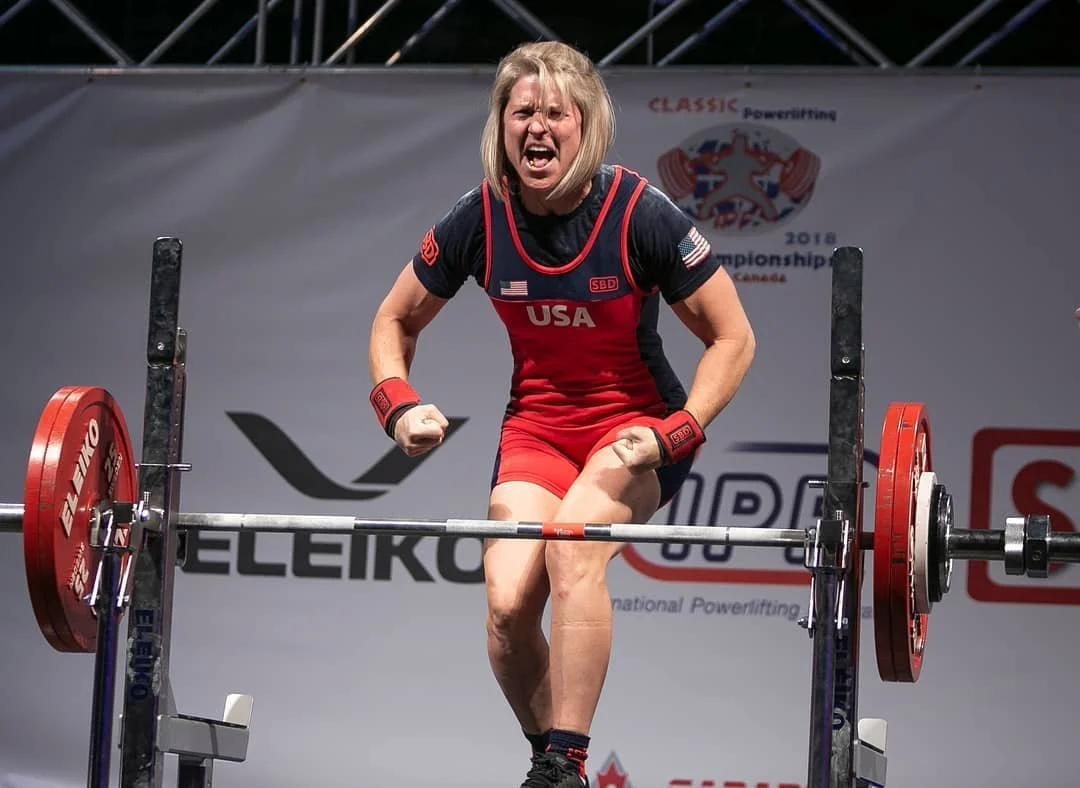
Jubilation is part of a powerlifting meet, just like any other competition. But control negative emotions or outbursts in order to perform your best and show good sportsmanship.
Dial in your training plan.
Make sure you've developed an intentional training schedule. First, figure out the total number of training weeks before the meet. From there, determine the best style for you in the available time.
Research shows that most lifters perform better with a consistent training regimen that repeats over 4-8-week cycles. However, I've witnessed others respond to a more traditional periodized structure in which they move through different training phases.
Regardless of what you choose, build time to peak and taper.
Practice with a combo rack
If you've never lifted on a combo rack, try to gain access for at least 1-2 training sessions right before the meet. Specifically, learn how to adjust the heights and rerack the squat. They are typically less stable than a power rack, so you must deliberately return the bar to the uprights.
Practice with commands
Many beginner powerlifters will nail the movement only to fail because of a missed command. For example, during the bench press, the lifter must wait for the judge's instructions before pushing off the chest. They must see the lifter come to a complete stop, with control in the bottom position.
You can train yourself with the main commands, but it's preferable to ask for help from a family member or training partner.
Record and assess
Record your training lifts and consider hiring a coach with judging experience to provide video feedback, particularly with squat depth and deadlift lockout. This external perspective can improve confidence and increase the likelihood of successful attempts.
Preparation
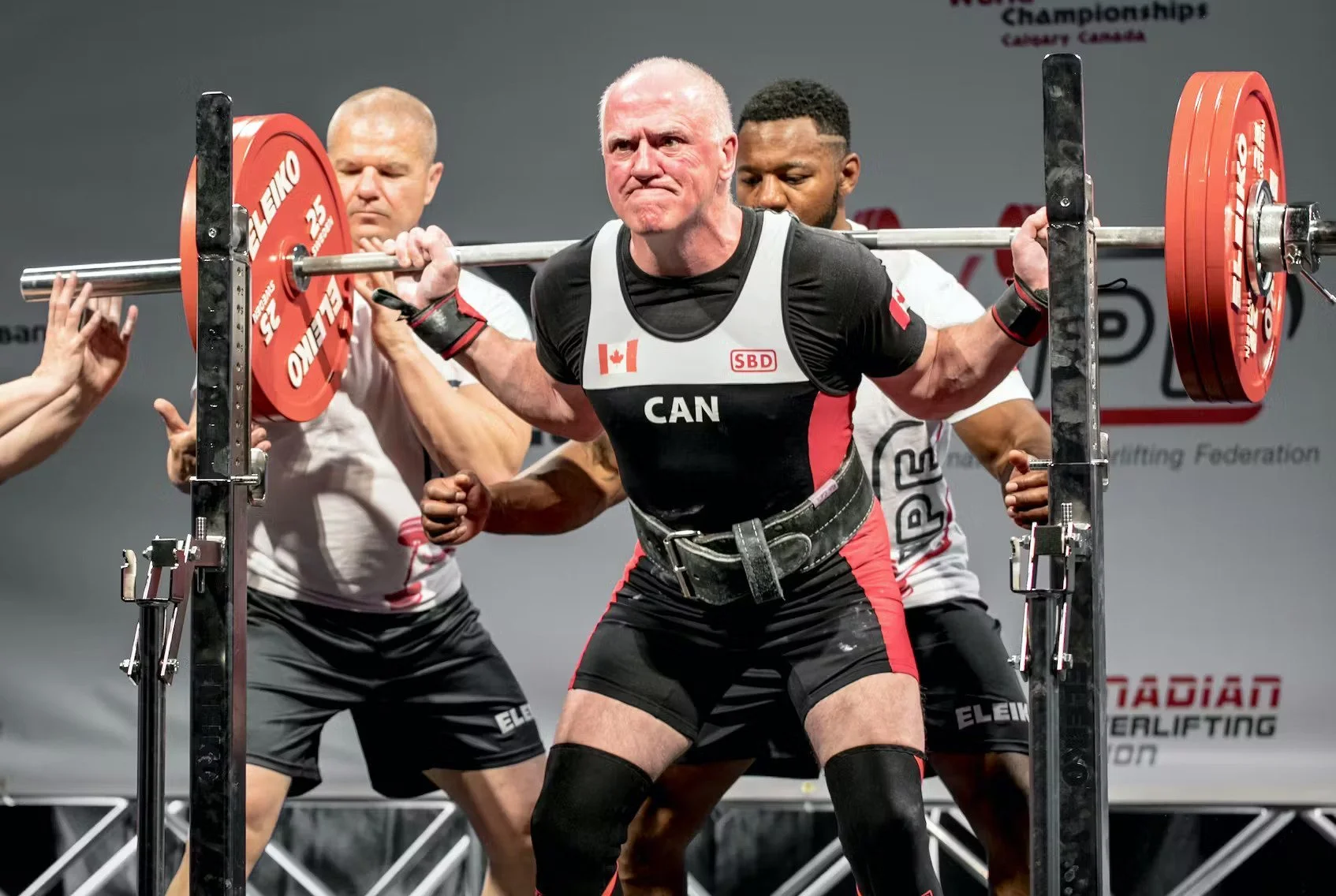
Powerlifting involves specific attire and equipment. As a beginner make sure to practice with both so you’re prepared.
Taper effectively and rehearse
Plan a taper for the first part of the week. Reducing training intensity and volume by 50% will allow your body to recover fully by competition day.
Practice your opening attempts in your singlet with commands two days before the meet. Rehearsing and visualizing the scene will improve your concentration. Remember that you will line up when about five lifters ahead of you are in line, and a judge will tell you to enter the platform as the clock begins.
Prioritize routine
In the three days before the meet, go to bed about 1 hour earlier. You want to bank some extra rest since meets require an early start, and you may have some serves the night before.
Also maintain a regular diet. Now is not the time to experiment with new pre-workouts or new foods that could cause upset stomachs. These both inhibit rest and relaxation.
Organize and execute your plan for meet day.
Eat a slightly larger breakfast to provide an initial energy boost. I do mean slight - add a banana, a slice of toast, or two eggs, but avoid over-indulging. Time this for 90 minutes hour before your first attempt, depending on your digestion and preferences.
Plan for small, balanced meals throughout the day. Fuel up with some whole foods in limited quantities during longer breaks (after your third attempt on the squat and bench). For example, 1/2 a turkey sandwich on white bread with strawberries on the side.
You want enough nutrition to sustain you throughout the day without feeling bogged down at any given time. Again, choose easily digestible foods that you're familiar with.
If needed, ingest a small amount of sugar or caffeine 30 minutes before your first attempt at each lift. Avoid crushing Skittles for hours on end, as this will likely lead to an energy crash or lethargy at some point in the meet. A bit of coffee with sugar or 1/2 a serving of Gatorade will work fine.
Your mental state and the environment will play a much more significant role in psyching up for your lifts than food. Let the energy of the moment kick in.
Arrive early to familiarize yourself with the setup. Walk through the venue, check out the warmup area and equipment, scope out spots for rest breaks, and rehearse your technique.
Bring methods to stay calm yet alert during the meet. Find what works for you, whether it's deep breathing exercises, music, visualization, or a brief moment of solitude. Focus on consistently regulating your emotions and energy.
Review your plan for your weight selections. You have a brief period after a lift to submit your next attempt. Create a process (one that prevents you from converting pounds-to-kilos in your head) and ensure you know where the scoring table is.
Final Advice
Practice good sportsmanship
Contribute positively to the atmosphere. Talk with fellow lifters, event organizers, and spectators. Your energy adds to the collective spirit of the competition.
Regardless of your performance, maintain a sportsmanlike attitude. Even at hardcore lifting events, no one wants to be around someone ranting and raving after a missed lift. Celebrate successes, learn from setbacks, and cheer for your competitors.
Show gratitude to the judges and event staff. Their dedication makes these competitions possible; a simple thank you goes a long way.